
Essential Question: How will you partner with families, communities, and school personnel to cultivate learning opportunities in pursuit of educating the whole person?
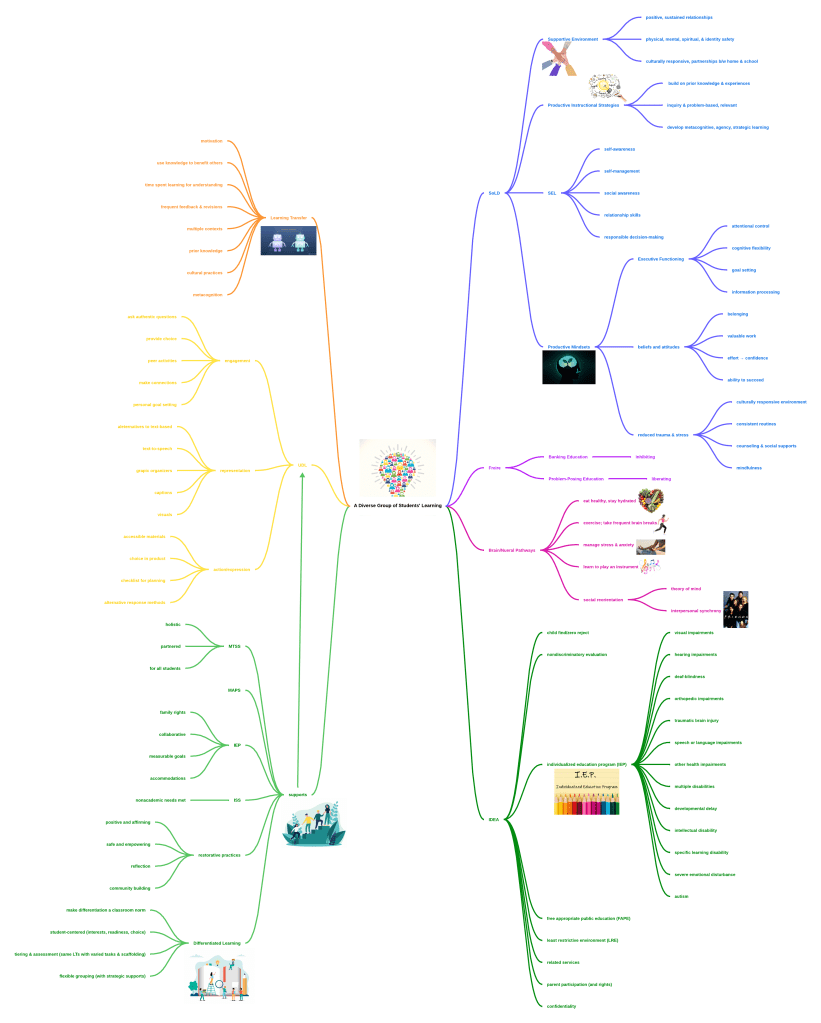
Mind Map: Inclusive Communities for Diverse Learners
Creating inclusive learning communities that foster the development of the whole learner starts with knowing your students and their families, creating a culturally responsive environment at school where students know they are seen and valued (Darling-Hammond, et al., 2020). One way to do this is to offer students opportunities to share their identities and backgrounds through their class assignments, thereby centering learning in students’ unique gifts. Next, students need to know they are safe at school – safe to be themselves, safe to explore and make mistakes, safe to be vulnerable and expressive. A part of fostering this safety is through affirming teaching practices. Students need to know their teachers believe in them – in their extraordinary capabilities and endless potential. Teachers enhance this belief when they make it a classroom norm to celebrate and affirm.
Part of helping students see and reach this potential is through providing achievable challenges in their learning. Learning happens with hard work and practice. Furthermore, academic challenges must be rooted in relevancy to students (Darling-Hammond, et al., 2020). They need a sense of purpose and a clear direction on where their learning is taking them. Providing students with clear learning targets, scaffolding and supports, helps them self-direct their learning and succeed in their development (Berger, Woodfin, & Vilen, 2016). Student supports may be defined in IEPs, 504s, or through other support systems in which the school, student, student’s family, and other community experts, partner to formulate a personalized plan to accommodate and uplift the student in their learning (Baglieri, 2022). Pedagogies such as Universal Design for Learning and restorative approaches help students develop agency and metacognitive awareness (Loranger, 2025). Students increase their self-sufficiency, their trust in their abilities to succeed, and develop higher-order skills that transfer to their future endeavors in a global and interconnected world.
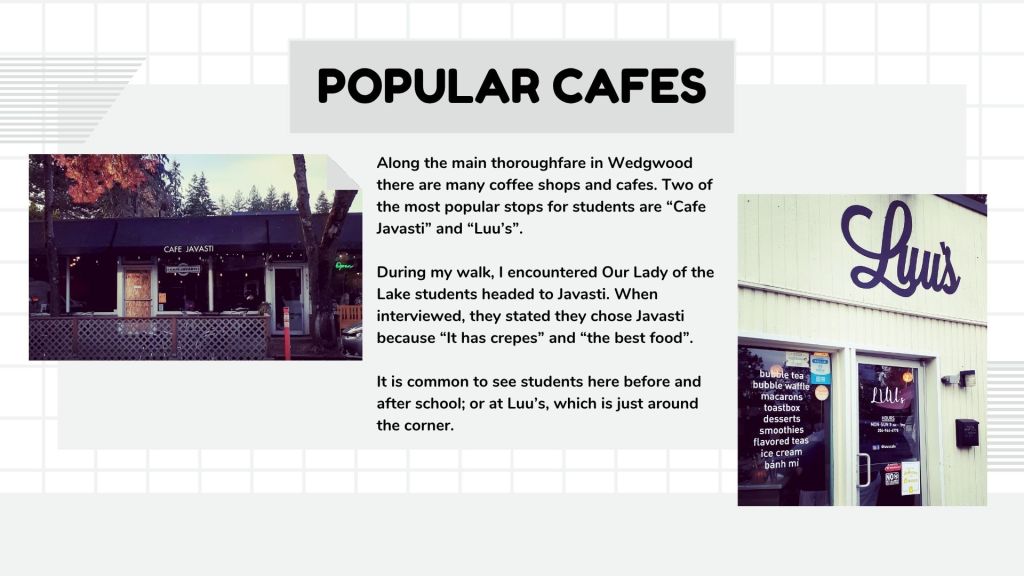
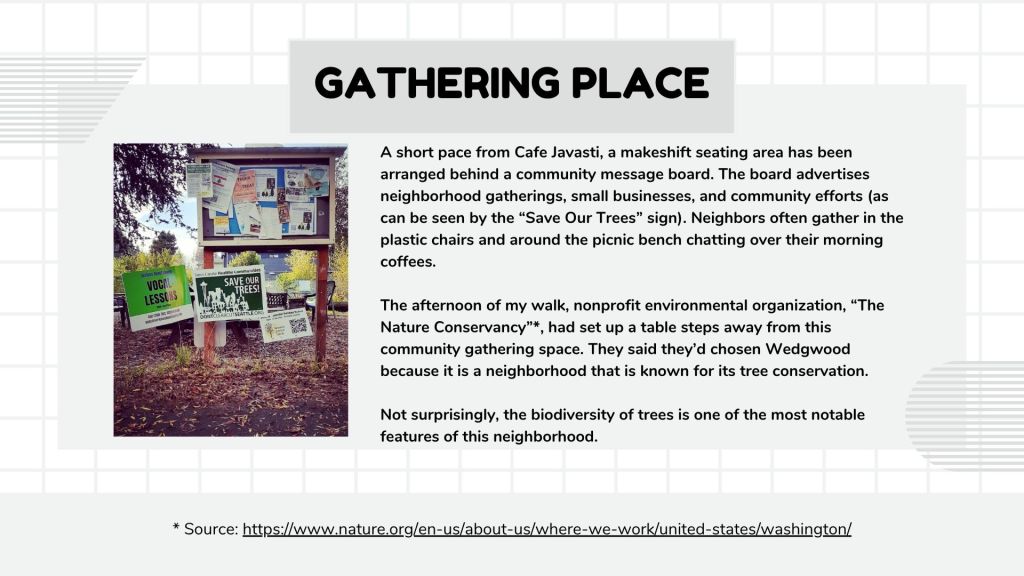
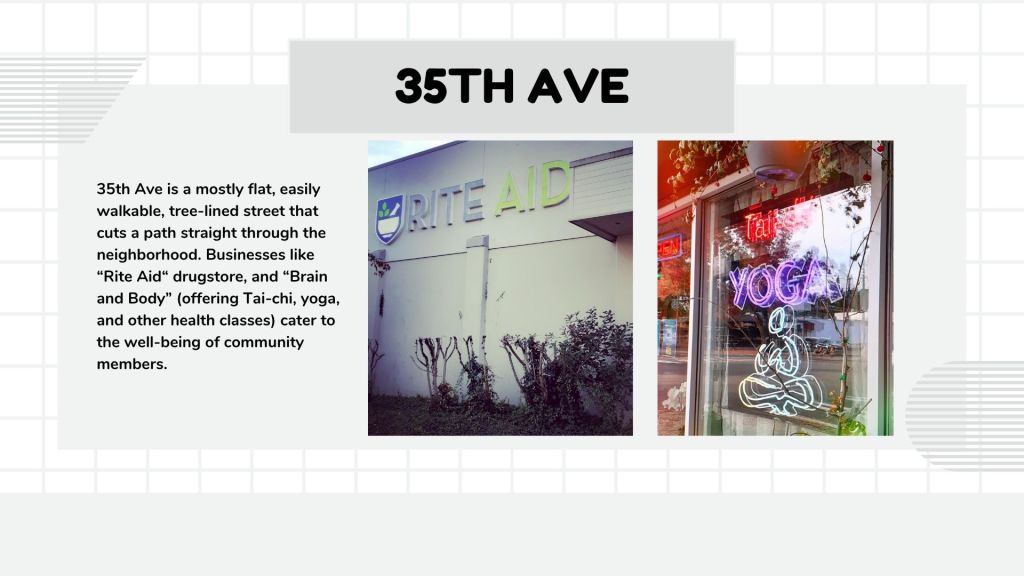
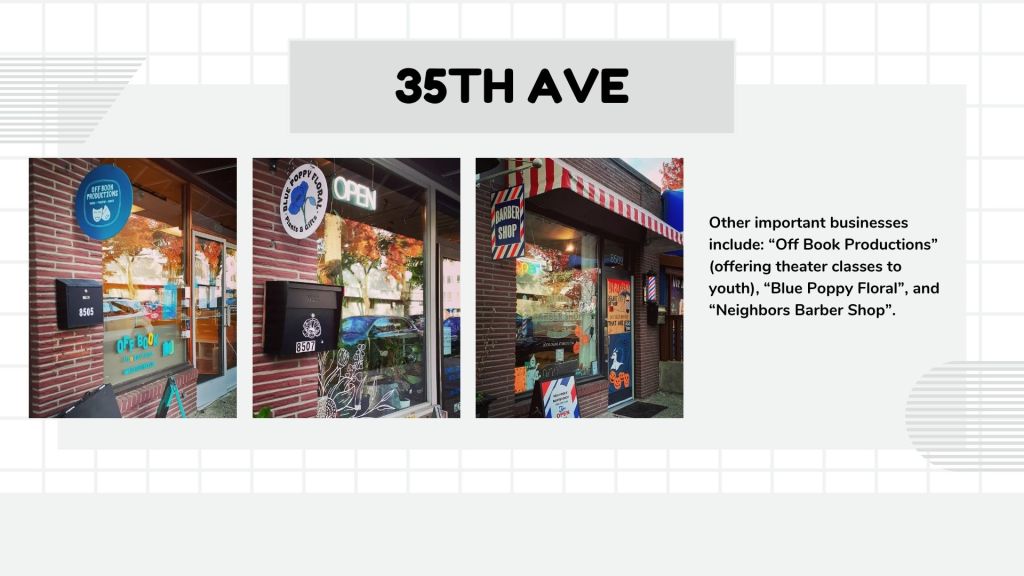
Community Walk
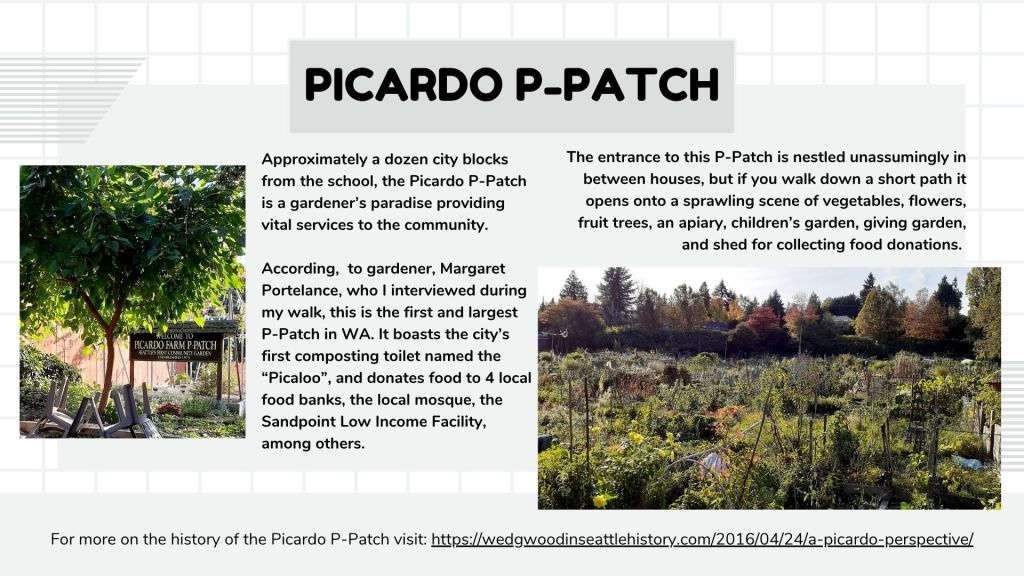
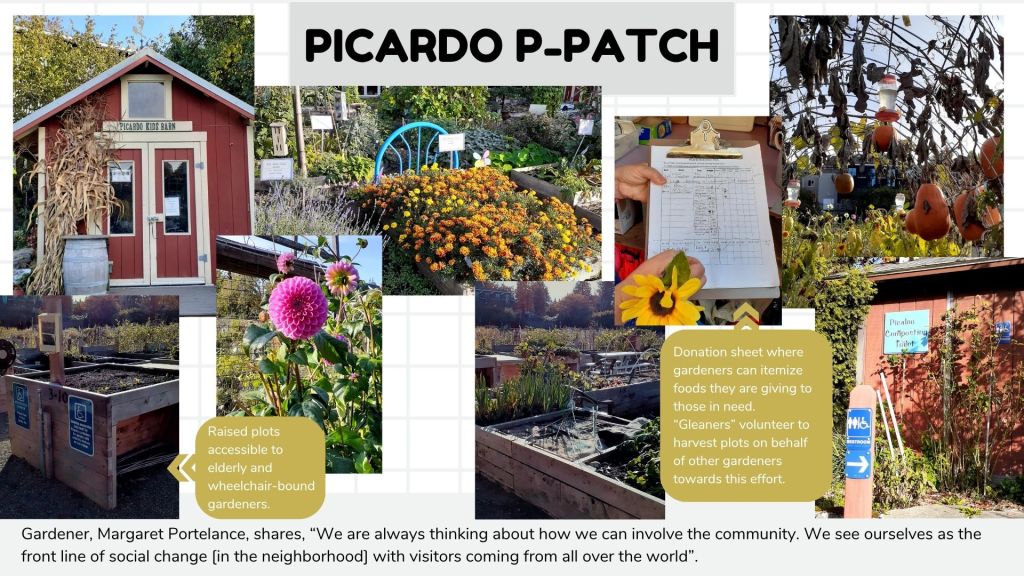
Throughout the MTTL program, I came to understand that authentic partnerships extend beyond communication with families and colleagues; they also require educators to deeply understand the communities and places that shape students’ lives. I selected this Community Walk artifact because it reflects my growing commitment to place-based learning and community-centered education. In Preparing Teachers for Place-Based Teaching, Vinlove (2015) explains that education is grounded not only in the natural world, but also in the human-built social, cultural, political, and economic contexts that shape school communities. Vinlove (2015) further suggests that educators must intentionally learn about the histories, languages, resources, environmental realities, challenges, and cultural contexts that influence the communities where they teach.
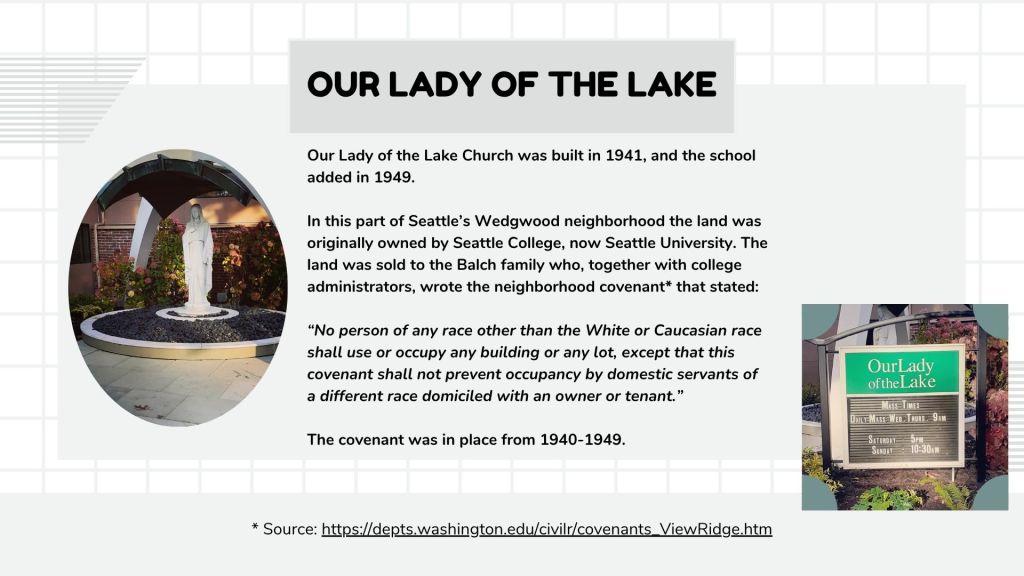
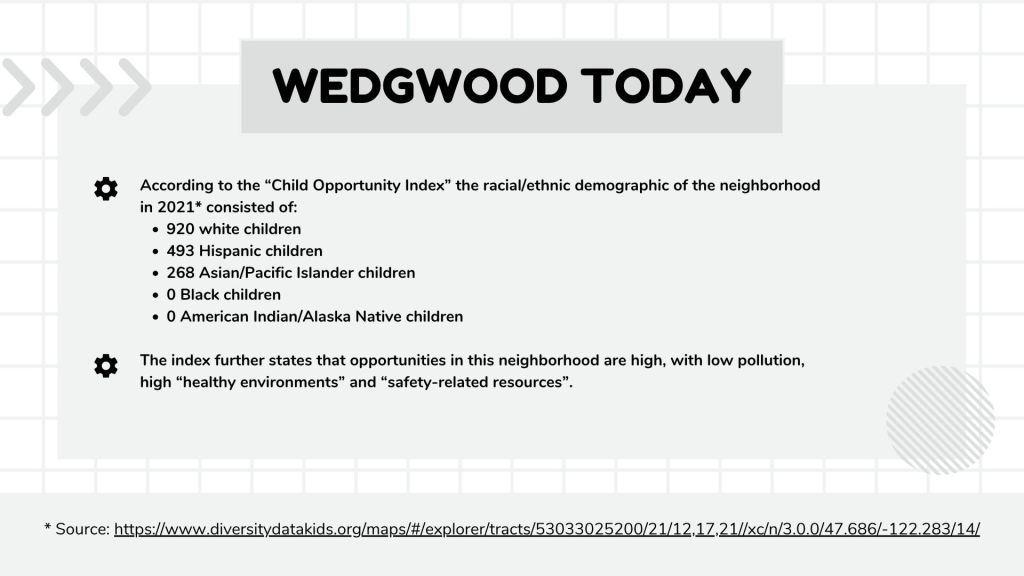
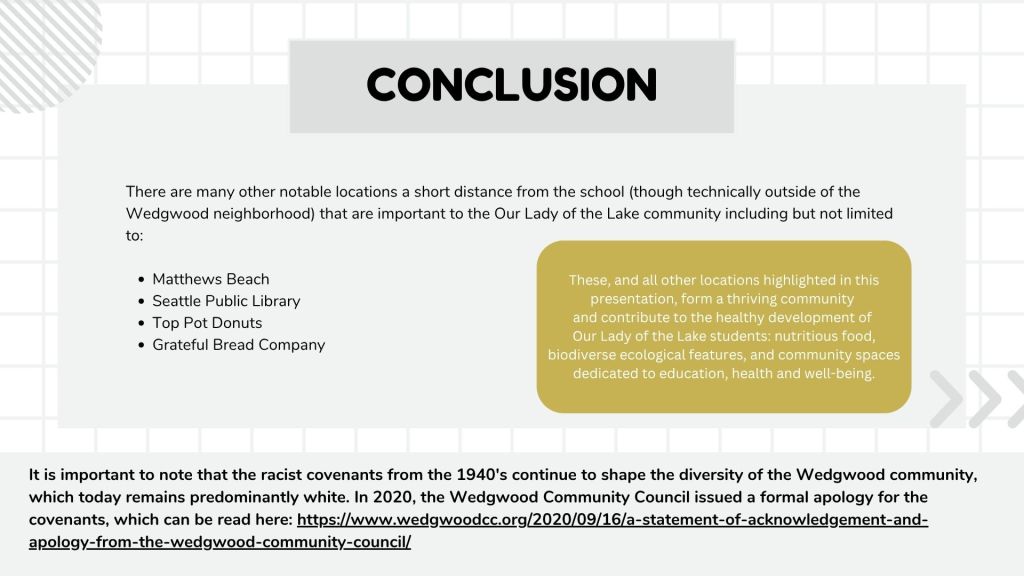
Early in our program, our professors and cohort participated in a community walk through Seattle’s International District to learn more about the history of Seattle’s AAPI community. Although I am native to Seattle and had some prior knowledge of this history, the experience challenged me to see the city in new ways and demonstrated the power of learning directly from place and community. Next, each member of our cohort engaged in their own community walk focused on their school communities. During my exploration of Our Lady of the Lake’s neighborhood, I uncovered evidence of racist housing covenants and redlining practice that contributed to the neighborhood’s ongoing racial demographics. I was particularly surprised to discover Seattle University’s historical connection to this history, which pushed me to reflect more critically on my own school context and the systems that shape it. It is not lost on me that the educational privileges that have benefitted me have also harmed Seattle communities.
At the same time, this project also highlighted the strengths and assets within the Wedgwood community. Spaces such as the Picardo P-Patch demonstrated the ways communities can foster connection, environmental stewardship, accessibility, and care for neighbors. This artifact solidified my belief that meaningful education must help students understand both the histories and the possibilities within the communities where they learn. As Demarest (2015) explains, “…places hold stories. A storied landscape invites one to explore and interpret and, ultimately, to take away one’s own personal meaning.” Demarest (2015) further states that, “When the content is more aligned with the truth of students’ lives, they gain tools that help them gain a voice in their community.” These ideas resonated deeply with my experience during the community walk and reinforced my belief that students should learn not only about the world, but also from the places they inhabit. Since completing this project, I have incorporated elements of place-based learning into my own teaching practice in order to help my students more deeply connect with their communities, histories, and responsibilities to one another.
References
- Baglieri, S. (2022). Disability studies and the inclusive classroom: Critical practices for embracing diversity in education. Taylor & Francis Group.
- Bateman, D., & Cline, J. (2016). A teacher’s guide to special education. ASCD.
- Berger, R., Woodfin, L., & Vilen, A. (2016). Learning that lasts. Wiley.
- Chandler Unified School. (2020). Multi-tiered systems of support (MTSS) [Video]. YouTube. https://www.youtube.com/watch?v=CAZ4CNtOHNo
- Darling-Hammond, L., Flook, L., Cook-Harvey, C., Barron, B., & Osher, D. (2020). Implications for educational practice of the science of learning and development. Applied Developmental Science, 24(2), 97–140.
- Demarest, A. B. (2015). Place-based curriculum design: Exceeding standards through local investigations. Routledge.
- Diversity Data Kids. (n.d.). Child opportunity index maps. https://www.diversitydatakids.org/maps/#/explorer/tracts/53033025200/21/12,17,21//xc/n/3.0.0/47.686/-122.283/14/
- Freire, P., & Ramos, M. B. (2009). Chapter 2 from Pedagogy of the oppressed. Race/Ethnicity: Multidisciplinary Global Contexts, 2(2), 163–174.
- Loranger, C. (2025, January). Video lecture [Course lecture].
- The Learning Pod. (2010). The learning brain [Video]. YouTube. https://www.youtube.com/watch?v=cgLYkV689s4
- The Nature Conservancy. (n.d.). Washington. https://www.nature.org/en-us/about-us/where-we-work/united-states/washington/
- University of Washington. (n.d.). Racial restrictive covenants: View Ridge/Wedgwood area. Seattle Civil Rights & Labor History Project. https://depts.washington.edu/civilr/covenants_ViewRidge.htm
- Vinlove, A. (2015). Preparing teachers for place-based teaching. Occasional Paper Series, 2015(33).
- Wedgwood Community Council. (2020, September 16). A statement of acknowledgement and apology from the Wedgwood Community Council. https://www.wedgwoodcc.org/2020/09/16/a-statement-of-acknowledgement-and-apology-from-the-wedgwood-community-council/
- Wedgwood in Seattle History. (2016, April 24). A Picardo perspective. https://wedgwoodinseattlehistory.com/2016/04/24/a-picardo-perspective/

